

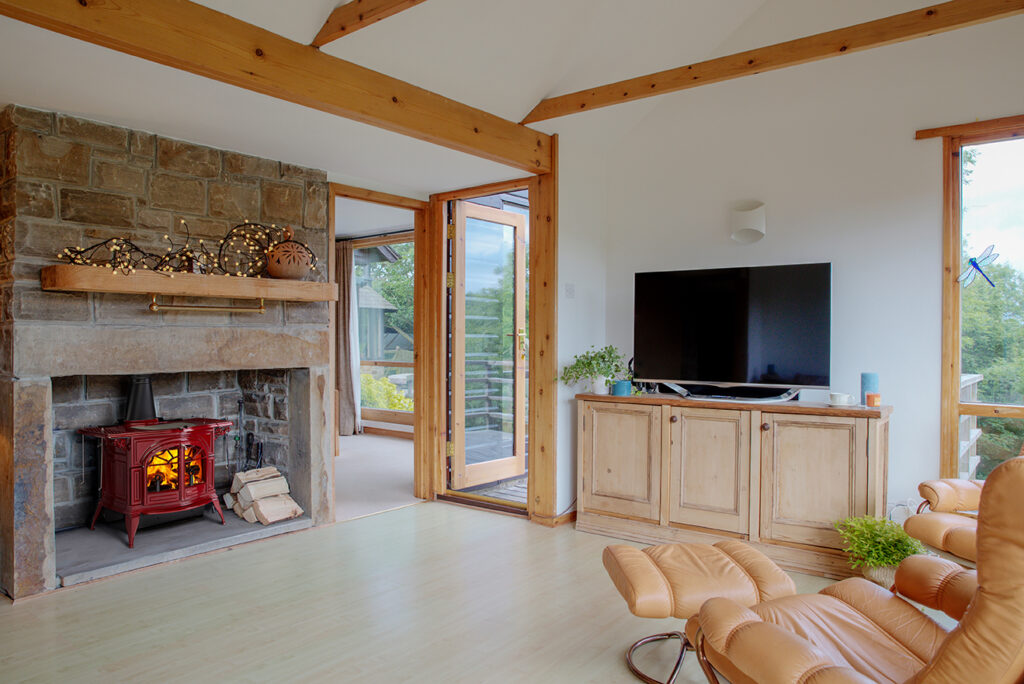
Vermont Castings has produced a wide range of pellet and gas appliances over the years, but the brand is best known for its cast-iron wood and coal stoves. Flagship lines like the Defiant, Encore, Vigilant, Resolute, Intrepid, and WinterWarm inserts are designed for long burn times, steady heat output, and decades of service—when they’re maintained properly.
This article covers general maintenance practices that apply to most Vermont Castings wood-burning stoves, regardless of model. Individual layouts and components vary, but the way these stoves operate is largely the same across the lineup. The goal here isn’t to replace your manual, but to give you a practical framework for keeping a Vermont Castings stove running safely and efficiently.
Important Safety Reminder
Before performing any maintenance:
- Allow the stove and chimney to cool fully to room temperature
- Close the damper or bypass
- Wear heat-resistant gloves and safety glasses
Cast-iron components retain heat far longer than steel. Servicing a warm stove risks cracked parts and injury.
Even premium cast‑iron stoves build up soot and ash that can cut efficiency or create safety hazards. Use the timetable below as a starting point, then adjust to your household’s burn rate and wood quality.
Supported Models: Mountain View Hearth Products stocks OEM and high‑quality aftermarket parts for flagship Vermont Castings stoves—including the Defiant (1975, 2‑in‑1, FlexBurn 2050), Encore (2140, 2550, 2040), Intrepid series, Resolute Acclaim 2490, Vigilant, and the compact Aspen C3 1920. If your stove’s data plate lists any of these—or dozens more in our catalog—the care steps below apply and the right grates, combustors, or gasket kits are just a click away.
Each Burn Session
1. Check Air Controls & Damper
• Verify that the primary air lever moves freely and the damper (or bypass, on catalytic models) engages fully. If the handle is hard to move or feels “stuck,” this indicates creosote buildup and needs to be addressed.
• Confirm the andirons and firebrick are seated correctly before adding fuel.
2. Manage Ash Bed
• Always maintain a 1-2″ layer of ash in the stove when possible. This provides insulation and helps with complete combustion.
• If ash rises above the firebrick line, use the ash tool to push embers through the grate into the ash pan and empty into a lidded metal bucket.
3. Inspect Glass
• A light tan haze is normal; a black, sticky film is creosote and means you’re burning unseasoned (wet) wood or running the stove too low. Burn the stove on high for 30 minutes to an hour to clear creosote.
Weekly (or every 5–7 full loads)
| Task | How to do it | Why it matters |
|---|---|---|
| Clean Glass | While warm (not hot), wipe with a damp paper towel dipped in cold ash, then buff with newspaper. | Removes acidic deposits that etch ceramic glass. |
| Empty Ash Pan | Slide out pan, cover embers with fresh ash, carry to bucket outside. | Prevents warping of the pan and keeps airflow unobstructed. |
| Gasket Check | Close a strip of printer paper in the door; if it slips out easily, plan to replace the rope gasket. | Assures controlled combustion and prevents smoke leakage. |
Monthly
Chimney & Connector Pipe Inspection
Use a flashlight and small mirror to look up the flue collar. If creosote layer is thicker than ⅛ in, schedule a sweep. Catalytic models should have <0.06 in.
Catalytic Combustor (if equipped)
Brush the cell faces lightly with a soft paint brush; never use water or other liquids. Examine for cracked or missing substrate. A lazy flame or temperatures under 500 °F after closing the bypass can point to a clogged or spent catalyst. Replacement catalytic combustors can be purchased online at Mountain View Hearth Products.
Secondary Air Channels
Vacuum fine ash from the rear and under the baffle to keep secondary burn tubes clear.
At the Start & End of Heating Season
-
- Full Chimney Sweep—Hire a CSIA‑certified sweep or use a poly brush sized to your Class‑A chimney.
-
- Baffle & Firebrick Removal—Pull the stainless baffle, scrape loose deposits, inspect bricks for cracks. Replace any crumbling pieces to protect the cast‑iron shell.
-
- Re‑paint or Polish Exterior—Apply high‑temp paint or stove polish to prevent surface rust during humid summers.
-
- Door, Damper & Ash‑Pan Gaskets—Replace worn ropes with 5/16‑in fiberglass gasket and stove‑cemet. Allow 24 h cure time before firing.
-
- Lubricate Moving Parts—A drop of high‑temp anti‑seize on door latch shafts and damper pivots keeps them smooth all season.
Annual Safety Checklist
-
- Smoke & CO Detectors: Test and replace batteries; detectors should be within 15 ft of the stove.
-
- Hearth & Clearance Shielding: Ensure you have proper floor protection. The hearth, or floor protection should extend 18″ in front of the stove. Check your manual for installation clearances and ensure they are met.
-
- Flue Draft Measurement: Use a draft gauge (<0.10 in H₂O recommended). Poor draft signals a clogged chimney or lack of fresh air in the home (negative draft). If your home is older and drafty, or new and very air tight you may need to add an aoutside air kit, or a fresh air exchange system.
Troubleshooting Signs
| Symptom | Likely Cause | Quick Fix |
| Excessive door glass blackening | Unseasoned wood, low air setting | Burn properly seasoned wood; open air control 5 min after reload. |
| Smoke smell in room when opening door | Weak draft, dirty chimney | Open bypass, wait 30 sec, crack door slightly; schedule chimney sweep. |
| Stove runs too hot | Gasket leak, over‑fired load | Check paper test; load smaller pieces of wood, reduce air. |
Keep Records
We always recommend keeping a small notebook with your owner’s manual and recording maintenance and repairs. Documentation helps with resale value as well as any warranty claims that may arise.
These small changes will keep your Vermont Castings clean and running strong for years to come.
3 Responses
my 1977 vigilant has given me great service. Now, it sometimes leaks smoke through the sides as if the cement has failed, and I can’t shut it down overnight as I used to, it gets too much air. Is it possible to give it a complete strip down and rebuild with new cement, or is it time to get another one. I am in Shropshire, England
Hi Alan,
Thanks for reaching out. Sounds like you’ve had a great run with the stove! Yes, you can absolutely rebuild the stove. You will need to re-gasket the entire unit and possibly replace some of the cast pieces if they are too warped. If you could reply back with the 4 digit model number of your stove we would be happy to help. Unfortunately, we can not ship to England due to the tax requirements they place on vendors. There are companies that will forward packages to England and deal with taxes. We would be happyy to ship to one of those.
Hello. Have a new Encore
Griddle has become discoloured in less than a month
How do I clean it ?